

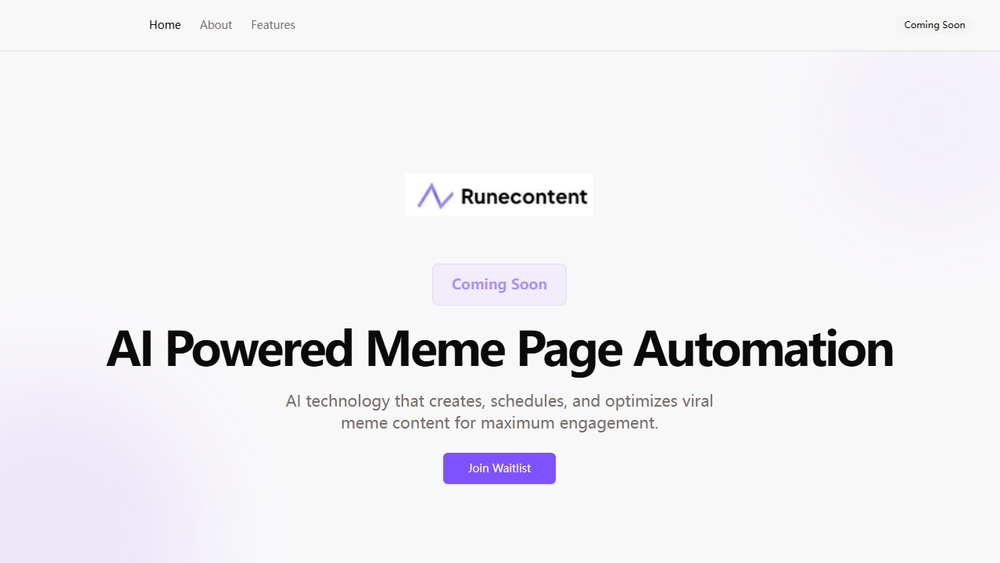
This webpage appears to be the front-end structure of a modern web application, likely built with a framework like Next.js, given the presence of _next/static in the script and CSS paths. The HTML structure suggests a responsive design with a hidden sidebar on smaller screens that expands on larger ones (md:flex). The sidebar itself is designed with a placeholder for a logo or brand name and a navigation area with several placeholder links, all using animate-pulse for a loading effect. This indicates a professional, clean, and user-friendly interface is intended.
The header section is also designed with placeholders for a logo or title and user-related icons or actions, again employing the animate-pulse effect. The main content area is structured to display various sections, including a prominent title and description area, followed by a grid of cards (likely for key metrics or quick actions) and then larger content blocks, possibly for detailed data visualization or complex forms. The use of Tailwind CSS classes (flex, min-h-screen, border-r, bg-background, space-y-4, grid, gap-6, md:grid-cols-2, lg:grid-cols-4, rounded-lg) clearly points to a modern styling approach focused on utility-first CSS.
The presence of Google Analytics (AW-11377405738) and various Next.js specific scripts (webpack, main-app, app/page, app/layout, polyfills) confirms it's a dynamic web application. The animate-pulse elements are a common pattern for skeleton screens, providing a visual cue to the user that content is loading, enhancing the perceived performance and user experience. This structure is highly adaptable and could serve as a foundation for a wide range of applications, including dashboards for analytics, project management tools, administrative panels for SaaS products, or even content management systems.
The target users for such an application would typically be professionals who need to interact with data, manage systems, or access specific functionalities within a web-based environment. The design prioritizes clarity, organization, and a modern aesthetic, which are crucial for productivity and user adoption in professional settings. The underlying technology stack suggests a robust and scalable application capable of handling complex features and a significant user base. The inclusion of favicons and other meta tags indicates attention to detail in terms of branding and SEO, further solidifying its professional nature.


